 Jane
Jane
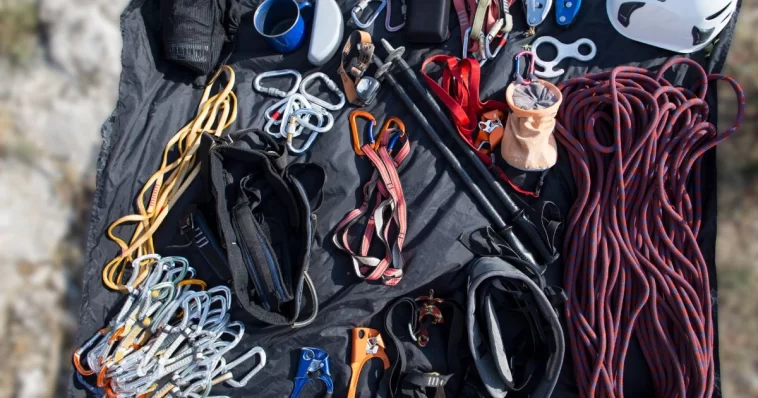
Rock climbing is one of the most exciting outdoor activities someone can take on. It blends physical strength, balance, mental focus, and problem‑solving in a way few other sports do. Whether climbing indoors at a local gym or tackling real rock faces outdoors, getting the right rock climbing gear makes the experience safer and more fun.
This guide to rock climbing gear for beginners brings together the latest gear reviews, expert advice, and gear tests so new climbers know exactly what they need before clipping in for their first climb. From the most important safety equipment to the extras that make climbing more comfortable, this article lays out everything clearly and in detail. If someone is ready to move beyond renting gear or wants to climb outdoors with confidence, understanding this gear list is the essential first step.
Why Good Rock Climbing Gear Matters
Climbing safely and effectively begins with the right equipment. Beginners often focus first on where to climb and how to move, but the gear they use affects performance and comfort just as much. Choosing proper rock climbing gear helps reduce the risk of injury, improves technique, and gives climbers confidence as they progress from indoor walls to longer outdoor routes.

Knowing about gear early also helps climbers manage costs and make good decisions about what to invest in first. While climbing gear is an investment, many pieces last for years with proper care and maintenance.
How To Get Started With Climbing
Before choosing gear, it helps to know the types of climbing beginners might try. Each style uses slightly different equipment and skills:
Bouldering
Bouldering means climbing short routes without a rope, low to the ground. Only climbing shoes, chalk, and a crash pad are typically needed for safety and comfort. This makes bouldering one of the simplest ways to get started.
Top‑Rope Climbing
Top‑rope climbing uses a rope anchored at the top of the climb. A partner on the ground manages the rope through a belay device while the climber moves up. This type of climbing is common indoors and at many outdoor locations.
Sport Or Traditional Climbing
Outdoor sport and trad climbing involve climbing real rock faces on longer routes, using protection gear placed in the rock or pre‑installed bolts. Gear needs are greater here, including items like quickdraws or cams.
Most beginners start with bouldering or top‑rope climbing at a climbing gym before moving on to more demanding outdoor climbs.
Essential Rock Climbing Gear For Beginners
Here’s a breakdown of the core rock climbing gear every beginner should consider, organized from the first items to more advanced equipment.
1. Climbing Shoes
Climbing shoes are often the first item new climbers buy. These shoes are designed with sticky rubber soles that provide better grip on climbing holds and rock surfaces. Beginner shoes tend to have a neutral shape for comfort and versatility, making them suitable for both gym and outdoor use.
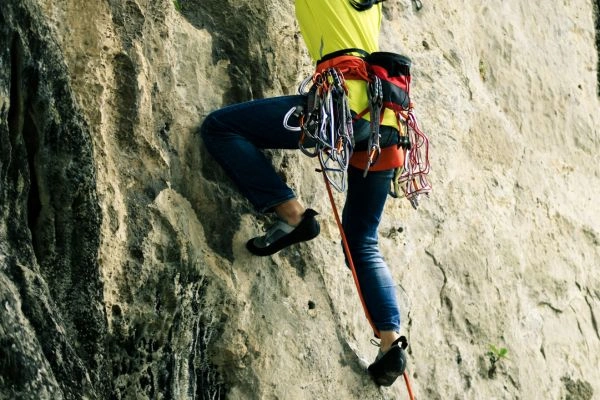
Good beginner shoes are not too aggressive and allow climbers to focus on foot placement and technique without discomfort. Some popular options include affordable neutral designs that balance performance and comfort for first‑time climbers.
Fit is critical, so trying shoes on in person or consulting knowledgeable staff helps ensure the best size. Many shoes also allow resoling, which extends their lifespan as skills improve.
2. Climbing Harness
A climbing harness keeps a climber attached to the rope and supports the body during falls or hangs. For beginners, comfortable and adjustable harnesses are ideal since they will be worn on many climbs.
Recommended beginner harnesses are often designed for both gym and outdoor climbing, giving new climbers flexibility as they grow. A harness should fit snugly around the waist and legs without restricting movement.
3. Climbing Rope
Dynamic climbing ropes are essential for safe top-rope and lead climbing. Dynamic ropes stretch slightly to absorb the force of a fall, making climbs safer.
Beginners often start by using ropes provided by a gym, but for outdoor climbing, having a rope with the right length and certification is necessary. Ropes are rated for UIAA falls, meaning they must withstand a set number of test falls to be considered safe.
4. Belay Device And Locking Carabiner
The belay device allows a responsible partner to control the rope and catch the climber in a fall. Belay devices vary from simple friction models to assisted‑braking designs. Pairing the belay device with a locking carabiner helps ensure the rope runs smoothly and locks securely when needed.
Beginners often start with a basic tubular device, which is easy to learn with and teaches good rope handling skills. Assisted‑braking devices add a layer of safety but should be used with proper training. A locking carabiner is essential to prevent accidental openings while climbing.
5. Chalk And Chalk Bag
Climbing chalk absorbs sweat and increases the friction between hands and holds. A chalk bag keeps chalk easily accessible during climbs. Both are inexpensive but invaluable additions for improving grip and comfort.
Chalk bags come in many designs, and some climbers prefer chalk balls or liquid chalk depending on personal preference.
6. Climbing Helmet
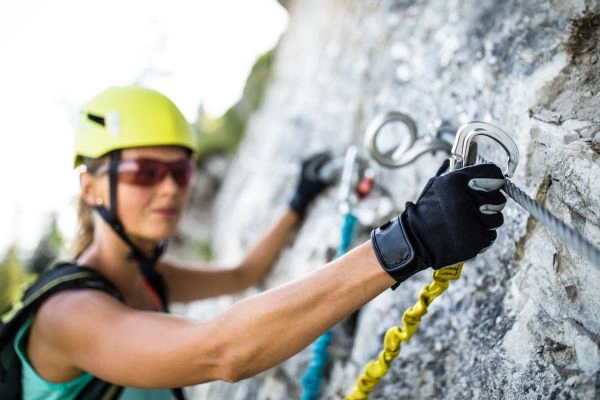
A climbing helmet protects a climber’s head from falling rocks or gear. While helmets are often optional in controlled indoor gym environments, they are essential outdoors. Outdoor climbs expose climbers to potential falling debris and uneven terrain, so a helmet with proper certification is recommended.
7. Crash Pad
Crash pads are crucial for outdoor bouldering. These foam pads cushion landings when falling off shorter climbs and reduce injury risk. They are especially helpful for highball problems where the fall height increases.
If climbing indoors, the gym’s padded floors serve as crash protection.
Recommended Order To Buy Gear
Climbing gear can add up quickly, so buying items in a smart order helps beginners get started without overspending:
- Climbing shoes first, as they improve performance and confidence.
- Harness and chalk bag for roped climbing.
- Belay device and locking carabiner before beginning rope climbs.
- Rope when preparing for outdoor climbing.
- Helmet and crash pad as you move into outdoor or bouldering climbs.
This progression lets beginners climb safely while spreading out the cost of gear.
Budget Tips And Buying Advice
Climbing can be expensive, but there are ways to keep costs down without sacrificing safety or quality:
- Rent gear at first until you are sure climbing will be a long‑term hobby.
- Look for sales or package deals that bundle essentials at lower prices.
- Buy last year’s models or discounted items from reputable sellers.
- Inspect used hardware carefully and avoid buying second‑hand ropes for safety reasons.
While it might be tempting to skimp on gear, prioritizing essentials like ropes, harnesses, and helmets can prevent accidents and boost confidence.
New climbers should also remember that much of their gear will last for years if cared for properly, making initial investments more worthwhile.
Gear Care And Maintenance
Taking care of climbing gear extends its life and keeps climbers safe:
- Clean ropes and keep them away from sharp edges or chemicals.
- Inspect hardware like carabiners and harnesses regularly for signs of wear.
- Store gear in cool, dry places away from sunlight, as UV exposure can weaken materials.
- Replace gear according to manufacturer guidelines, even if there are no visible issues.
Good gear care is part of responsible climbing and helps protect your investment over time.
Climbing Safety And Skills Training
While gear is essential, knowing how to use it properly matters as much. Many beginners benefit from:
- Introductory classes at climbing gyms that cover belaying, knots, and safety checks.
- Guided outdoor trips or instruction to learn how to set anchors and climb outdoors safely.
- Practice sessions on bouldering problems before moving to rope climbs.
Learning from experienced climbers and instructors speeds up skill development and reduces risk on real climbs.
Choosing Gear Based On Climbing Style
Different climbing disciplines require slightly different gear:
Bouldering
The simplest gear setup involves climbing shoes, a chalk bag, and a crash pad. This makes bouldering the most accessible form of climbing for beginners.
Indoor Top‑Rope Climbing
Indoor climbing often requires a harness, belay device, locking carabiner, and rope. Many gyms provide some gear and instruction, making this a friendly starting point.
Outdoor Sport Or Traditional Climbing
As climbers progress, more gear such as quickdraws, cams, and anchor equipment becomes necessary. Beginners are encouraged to start with the basics before adding these items.
Additional Items To Consider
As skills grow, additional gear can enhance comfort and performance:
- Approach shoes for hiking to outdoor crags.
- Belay gloves to protect hands during long belays.
- Climbing tape for skin protection on crack climbs.
- Day pack or rope bag to carry gear easily.
Essential Rock Climbing Gear for Every New Climber
Rock climbing is a sport with a wide range of gear and endless opportunities to grow. Getting the right rock climbing gear from the start makes learning more enjoyable and safer. As beginners spend more time with their equipment, they often gain confidence and skill quickly, opening doors to new challenges and outdoor adventures.
This guide has covered the essentials needed to begin a climbing journey with confidence. Quality gear, proper training, and a thoughtful approach to safety form the foundation of a rewarding climbing experience. With these basics in hand, anyone can step up to the wall, chalk up, and start climbing.