 Jane
Jane
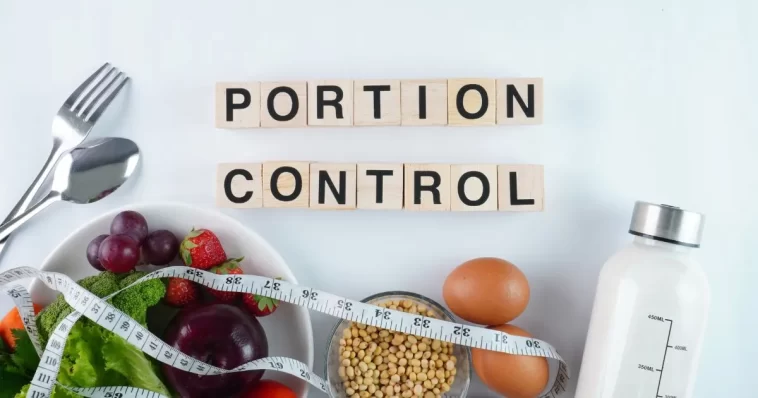
Achieving fitness goals often involves more than just exercise or picking the right diet. One of the most effective and sustainable ways to support fitness progress is portion control. Portion control helps manage calorie intake, supports weight management, improves digestion, and enhances overall health. Whether someone is aiming to lose weight, build muscle, maintain a healthy weight, or improve athletic performance, learning how and why to control portions is a fundamental skill that is often overlooked.
Portion control focuses on mindful eating rather than strict dieting or restriction. It is about eating the right amount of food for the body’s needs, balancing nutrients, and building healthy habits that support long‑term success. In recent years, portion control hacks have gained renewed attention as research and nutrition experts emphasize mindful eating and sustainable lifestyle changes. Understanding how portions impact energy intake and metabolism can make the difference between frustration and achieving fitness goals.
In this article, key principles and practical strategies for portion control are explained, supported by examples, expert insights, and tools for everyday use.
Understanding Portion Control and Its Importance
Portion control is the practice of managing how much food is consumed at any given meal or snack. Portion control focuses on serving sizes rather than the type of food alone. This approach helps individuals regulate calorie intake, balance macronutrients (such as proteins, carbohydrates, and fats), and avoid overeating.
Large portions can easily lead to consuming more calories than the body needs, which may result in weight gain or make weight loss more difficult. Conversely, very small portions that do not provide adequate nutrients can leave someone feeling tired, weak, or unsatisfied, making it harder to stick with a fitness program.
Practicing portion control benefits many aspects of health:
- It helps maintain a calorie balance that supports weight loss or maintenance.
- It improves digestion by avoiding large, difficult‑to‑process meals.
- It encourages a balanced approach to eating by including vegetables, proteins, and whole grains in appropriate amounts.
- It reduces the likelihood of chronic disease risk factors such as obesity, high blood sugar, and high cholesterol.
While many fitness programs include exercise routines, portion control is equally important because it directly affects the fuel that powers workouts, recovery, and daily energy.
How Portion Control Supports Weight Management
One of the primary connections between portion control and fitness goals is weight management. For individuals aiming to lose weight or maintain a healthy weight, understanding portion sizes helps balance calorie intake with energy expenditure.
Portion control prevents overeating by helping individuals become aware of how much they are consuming. Research shows that people tend to eat more when served larger portions, even when they are not hungry. By managing portions, it becomes easier to create a moderate calorie deficit, which is necessary for weight loss.
Managing portions also reduces the risk of overeating high‑calorie foods, such as snacks, desserts, and refined carbohydrates.
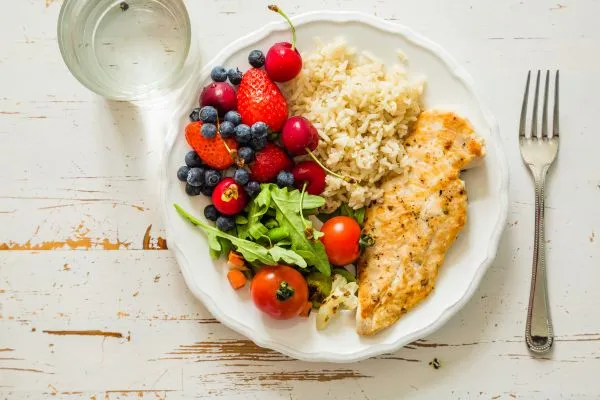
Portion control does not necessarily mean eating less food all the time. Instead, it often involves adjusting the ratio of food groups on a plate:
- Fill half the plate with vegetables or salad.
- Reserve one-fourth of your plate for lean protein.
- Reserve the remaining quarter for carbohydrates like whole grains or starchy vegetables.
This method can help balance meals, keep calories in check, and ensure adequate intake of fiber, protein, and nutrients that support satiety and metabolism.
Portion Control and Muscle Building
Portion control also plays a role in muscle building and fitness performance. For individuals focused on strength training or building muscle mass, consuming the right amount of protein and calories is crucial. Too little food intake can hinder muscle growth and recovery, while too much can lead to unwanted fat gain.
Portion control, combined with an understanding of macronutrient needs, helps ensure the body gets enough protein, carbohydrates, and healthy fats in appropriate amounts. For example, measuring protein portions can support muscle repair and growth after intense workouts. Protein sources include lean meats, eggs, dairy, legumes, and plant‑based proteins, and appropriate portion sizes vary based on activity level, gender, and fitness goals.
Using tools such as food scales, measuring cups, or nutrition apps can help people estimate their protein and calorie needs more accurately, especially when tailoring dietary needs to fitness goals.
Practical Portion Control Hacks for Everyday Life
Learning to control portions can be simple when broken down into practical steps. Portion-control tools and strategies can fit seamlessly into daily routines, whether at home, at work, or when eating out.
1. Use Smaller Plates and Bowls
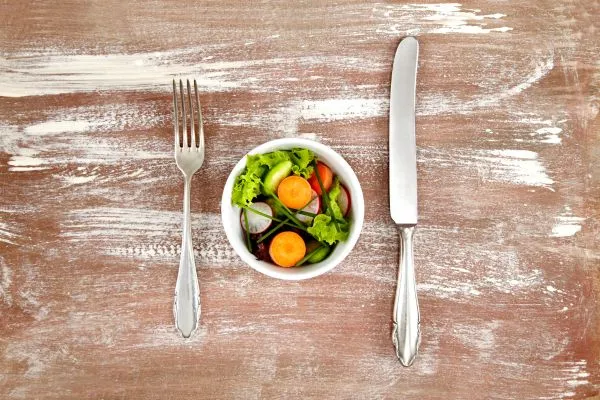
Research has shown that people tend to eat more when served on larger plates because the food looks smaller in comparison. Using smaller plates and bowls can reduce the amount of food consumed without causing feelings of deprivation.
2. Measure Portions at Home
Measuring food with cups, spoons, or a kitchen scale helps establish awareness of portion sizes. For example, a serving of cooked grains like rice or pasta is about half a cup, while a standard protein portion such as chicken or fish is about the size of a palm.
3. Pre‑Portion Snacks
Dividing snacks into smaller containers or bags right after buying them helps prevent overeating from large packages. Nuts, chips, and other high‑calorie snacks are easier to enjoy in moderation when they are already portioned appropriately.
4. Fill Up on Vegetables
Filling half the plate with vegetables before adding other foods increases the meal’s volume without adding many calories. Vegetables are high in fiber and nutrients, helping you stay fuller longer.
5. Use Visual Portion Guides
When measuring tools are not available, visual cues can help estimate portions. For example, a palm is a useful guide for protein portions, a fist represents a serving of carbohydrates, and a thumb can represent fats such as oils or nut butter.
6. Ask for Smaller Portions When Dining Out
Restaurant servings frequently exceed the suggested portion sizes. Asking for a half portion, sharing entrees, ordering starters instead of mains, or requesting sauces and dressings on the side can help manage portions when eating out.
These practical strategies can be adapted to almost any eating situation, making portion control a flexible tool for fitness and health.
How Portion Control Improves Eating Habits
Portion control encourages mindful and intentional eating. Mindful eating means focusing on your body’s signals of hunger and fullness, eating at a relaxed pace, and fully enjoying each bite. Research suggests that eating slowly allows the brain time to register satiety signals, which often take about 20 minutes to reach the brain during a meal. Slower eating literally helps reduce the total amount of food consumed.
Other mindful practices include avoiding eating directly from large containers, eliminating distractions such as phones or television during meals, and eating when truly hungry rather than out of habit or emotion.
Portion control naturally supports these behaviors by prompting individuals to serve reasonable amounts and focus on their food during meals.
Portion Control in Meal Planning and Preparation
Meal planning is another powerful way to support portion control. Preparing meals in advance allows people to divide food into balanced portions before they get hungry. Meal prep can include batch-cooking lean proteins, whole grains, and vegetables, and storing them in portioned containers for use throughout the week. This prevents overeating by ensuring portions are controlled and food is ready to eat.
Using meal planning tools or nutrition apps such as Lose It! can help track food intake and portion sizes over time. Apps often include features such as barcode scanners, recipe importers, and food diaries that make tracking easier and more intuitive.
Meal planning also helps with grocery shopping, ensuring that the ingredients purchased support fitness goals and that portions are planned before cooking.
Portion Control and Hydration
Hydration supports portion control and fitness goals. Drinking a glass of water before meals can help fill the stomach slightly, making it easier to eat moderate amounts of food and reducing the risk of overeating. Adequate hydration also helps distinguish hunger from thirst, which can prevent unnecessary calorie intake.
Staying hydrated throughout the day improves overall health, supports metabolic function, and can enhance energy levels during workouts.
Portion Control and Long-Term Health
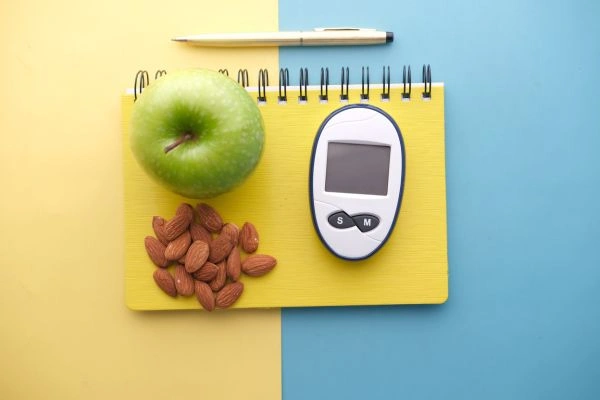
Consistently practicing portion control can have powerful effects on long‑term health. Balanced portion sizes help prevent weight gain and related health issues such as type 2 diabetes, cardiovascular disease, and metabolic syndrome. Controlled portions can also make it easier to monitor calorie intake without obsessing over exact numbers, supporting a balanced approach to eating rather than extreme restriction.
By focusing on portion sizes, individuals often naturally choose higher‑quality foods, such as lean proteins, whole grains, and vegetables, because these choices help achieve satiety with fewer calories.
Overcoming Challenges With Portion Control
It is normal to face challenges when adopting portion control habits. Social situations, travel, holidays, and eating out can make it harder to manage portions. Planning, using visual guides, and practicing mindful eating help navigate these moments with confidence.
Another common challenge is learning to recognize true hunger and fullness cues. This often requires slowing down, paying attention to the eating experience, and stopping once satisfied rather than continuing to eat until full.
Portion control is a skill that gets easier with practice. Over time, individuals become more aware of appropriate portion sizes and can instinctively moderate their servings without feeling restricted.
Achieve Balance and Results Through Portion Control
Portion control is a foundational component of achieving fitness goals. It supports weight management, improves eating habits, enhances workout performance, and encourages mindful, balanced eating. By incorporating simple strategies such as using smaller plates, measuring portions, pre‑portioning snacks, and mindfully eating, individuals can make meaningful progress toward their health and fitness aspirations.
Portion control is not about deprivation. It is about awareness, balance, and long‑term sustainability. With consistent practice and thoughtful habits, portion control becomes a natural part of daily life that supports healthier living and lasting results.