 Jane
Jane
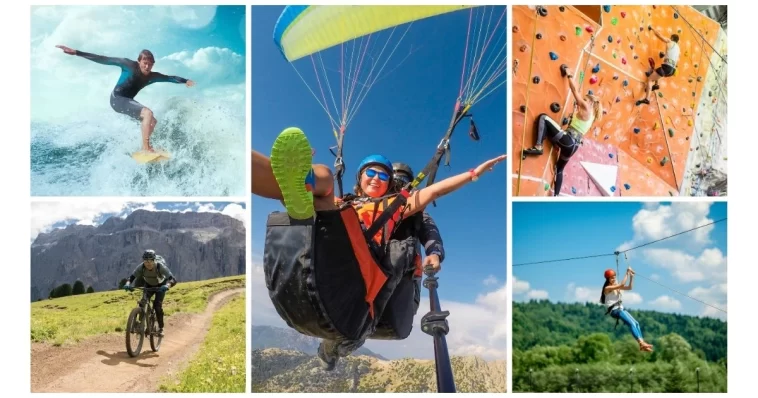
Extreme sports activities are no longer just for thrill-seekers chasing big risks. They have become more accessible, better organized, and safer for beginners who want to try something exciting without putting themselves in unnecessary danger. From skydiving and surfing to mountain biking and rock climbing, these activities offer a mix of adrenaline, skill, and personal challenge.
Recent guides and safety-focused reports highlight one clear message: getting started the right way makes all the difference. With proper training, reliable gear, and a step-by-step approach, even beginners can enjoy extreme sports activities for beginners without feeling overwhelmed.
This guide covers everything needed to begin safely, including popular sports, benefits, risks, and practical safety tips based on the latest insights and recommendations.
What Are Extreme Sports Activities
Extreme sports are activities that involve speed, height, physical exertion, or specialized gear. These sports often take place in outdoor environments where conditions can change quickly, requiring quick thinking and adaptability.
Common examples include:
- Skydiving
- Rock climbing
- Surfing
- Snowboarding
- Mountain biking
- Bungee jumping
Although these sports push limits, they are not solely about taking risks. They are built on technique, awareness, and control. Many beginners are surprised to learn that structured training programs and improved safety systems have made these activities far more approachable than they used to be.
Why Extreme Sports Activities Are Growing In Popularity
Interest in extreme sports activities continues to rise as more people look for experiences that go beyond routine fitness. Instead of repetitive workouts, there is a growing shift toward activities that feel exciting, meaningful, and memorable.
Desire For Real Experiences
There is a strong appeal in doing something that feels real and challenging. Reaching the top of a climbing wall or catching a wave creates a sense of achievement that is hard to match with traditional exercise.
Better Access And Training
Beginner-friendly lessons, guided tours, and certified instructors are now widely available. Many facilities are designed specifically for newcomers, making it easier to learn the basics safely and build confidence over time.
Advances In Safety Gear
Modern equipment has improved significantly. Helmets are lighter and stronger, harnesses are more secure, and wearable tech can track performance and even detect accidents. These innovations help reduce risk and make beginners feel more comfortable trying new activities.
Social Media Influence
Online content has played a major role in making extreme sports more popular. Short videos and travel clips show real people trying these activities, which makes them feel more achievable rather than intimidating.
Benefits Of Extreme Sports Activities
Trying extreme sports activities for beginners offers more than just a rush of adrenaline. These activities can enhance both physical fitness and mental well-being.
Improved Physical Fitness
Many extreme sports require full-body movement. Climbing builds upper body strength, surfing improves balance, and mountain biking enhances endurance. These activities provide a complete workout without feeling repetitive.
Mental Focus And Discipline
Extreme sports demand attention and quick decision-making. Whether navigating a trail or maintaining balance on a board, staying focused is essential. Over time, this sharpens concentration and awareness.
Confidence Building
Learning something new and stepping outside one’s comfort zone can boost confidence. Progress may start small, but each improvement builds a sense of achievement that carries into other areas of life.
Stress Relief
Being outdoors and staying active helps relieve stress. The focus required during these sports also gives the mind a break from everyday concerns.
Best Extreme Sports Activities For Beginners
Not all extreme sports are ideal for first-timers. Some offer a smoother learning curve and safer environments, making them perfect starting points.
1. Surfing
Surfing is one of the most beginner-friendly options. Many beaches offer lessons with trained instructors who teach basic techniques and safety rules. Starting with small waves and soft boards helps build confidence quickly.
2. Indoor Rock Climbing
Climbing gyms provide a controlled environment where beginners can learn safely. With harness systems and trained staff, it is possible to practice techniques without the unpredictability of outdoor conditions.

3. Mountain Biking On Beginner Trails
Many parks and trail systems include beginner routes designed with gentle slopes and clear paths. These trails allow new riders to build skills gradually without facing steep or technical terrain.
4. Ziplining
Ziplining delivers the thrill of height with minimal skill required. It is typically guided, with safety systems in place, making it one of the easiest ways to experience an adrenaline rush.
5. Paragliding With A Professional
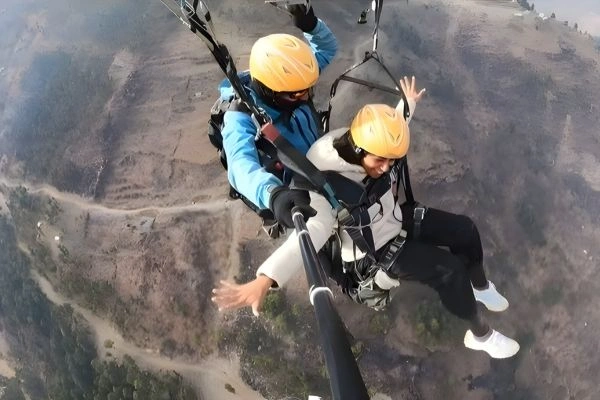
Tandem paragliding allows beginners to fly with experienced pilots who handle the technical aspects. This makes it a safe introduction to aerial sports while still offering an unforgettable experience.
Extreme Sports Activities For Beginners
Starting safely should always be the priority when exploring extreme sports activities. A careful and structured approach helps reduce risk and makes the experience more enjoyable.
Take Professional Lessons
Working with certified instructors provides a solid foundation. Beginners learn proper techniques, safety rules, and how to handle unexpected situations.
Use Proper Equipment
Each sport requires specific gear built for safety and performance. Using the right equipment is essential, and renting from reputable providers is a good option for beginners.
Start Small And Progress Slowly
It’s important to start with basic levels and slowly increase the difficulty. Rushing into advanced challenges too early increases the risk of injury and can lead to frustration.
Check Weather And Conditions
Outdoor environments can change quickly. Checking weather forecasts and understanding local conditions helps prevent unnecessary risks.
Know Personal Limits
Understanding personal ability and comfort level is key. Pushing too far too soon is one of the most common mistakes beginners make.
Essential Safety Tips For Extreme Sports Activities
Safety is the foundation of all extreme sports activities. Following simple precautions can make a significant difference.
Always Inspect Gear
Before starting any activity, check equipment for signs of wear or damage. Even minor problems can become serious if left unaddressed.
Choose Certified Operators
When booking activities like skydiving or bungee jumping, always go with licensed providers that follow safety standards and use trained staff.
Wear Protective Equipment
Helmets, pads, and proper footwear are essential. They not only protect against injury but also improve confidence during the activity.

Learn Basic First Aid
Basic first aid knowledge can be useful, especially when participating in outdoor sports. Knowing how to handle minor injuries adds an extra layer of safety.
Stay Hydrated And Prepared
Bringing water, snacks, and basic emergency tools helps maintain energy and preparedness, especially in remote locations.
Common Mistakes Beginners Should Avoid
Many beginners make similar mistakes when starting. Being aware of these can help avoid unnecessary setbacks.
Skipping Training
Trying to learn without guidance often leads to poor technique and increased risk.
Using The Wrong Gear
Each sport requires specific equipment. Using the wrong gear can reduce safety and affect performance.
Ignoring Weather Conditions
Weather greatly affects outdoor activities, and overlooking it can quickly turn a safe experience into a risky one.
Pushing Too Hard Too Soon
Progress takes time. Attempting advanced moves too early increases the chance of injury.
Going Alone
Having a partner or guide improves safety and provides support in case of emergencies.
Latest Trends In Extreme Sports Activities
Modern developments show that extreme sports activities are becoming more accessible and safer through innovation.
Smart Safety Gear
Helmets and protective equipment now feature sensors that detect impacts and send notifications, adding an extra level of safety.
Wearable Technology
Fitness trackers and GPS devices help monitor performance, track routes, and ensure safety during activities.

Guided Adventure Packages
Travel companies are offering beginner-friendly packages that include training, equipment, and supervision. These make it easier for newcomers to try extreme sports without worrying about logistics.
Digital Training Tools
Virtual training tools are helping beginners learn techniques before trying them in real-world environments. This reduces risk and improves confidence.
How To Prepare Physically And Mentally
Preparation plays a major role in enjoying extreme sports activities for beginners.
Build Basic Fitness
Strength, endurance, and flexibility are important for most extreme sports. Even simple workouts can improve performance and reduce fatigue.
Practice Balance And Coordination
Balance exercises help improve control, which is essential for activities like surfing and biking.
Develop Mental Readiness
Remaining calm and focused is just as important as physical strength. Managing fear helps with better decision-making.
Warm Up Before Every Session
A proper warm-up gets the body ready for activity and helps lower the risk of injury.
Choosing The Right Extreme Sport For You
Not every sport suits every person. Selecting the right one depends on a few personal factors.
Fitness Level
Some activities require more physical strength or endurance than others.
Comfort With Heights Or Speed
Personal comfort plays a big role in enjoyment. Some people prefer water-based activities, while others enjoy heights or fast-paced sports.
Budget And Equipment
Certain sports require more investment in gear or travel. Starting with simpler options can help manage costs.
Location Availability
Access to beaches, mountains, or training facilities can influence which sport is most practical to try.
Environmental Awareness And Responsibility
Extreme sports usually take place in natural environments. Respecting these environments is important for both safety and sustainability.
Follow Leave No Trace Principles
Always clean up after activities and avoid damaging natural surroundings.
Respect Wildlife
Keep a safe distance from animals and avoid interfering with their habitat.
Stay On Designated Paths
Using marked trails helps protect the environment and reduces the risk of getting lost.
Building Skills Over Time
Advancing in extreme sports takes time, and steady practice and patience are essential for improving safety.
Set Realistic Goals
Begin with simple goals and slowly increase the difficulty. This helps keep motivation up and reduces frustration.
Track Progress
Keeping track of improvements, whether through notes or apps, helps identify strengths and areas for growth.
Learn From Experience
Each session provides valuable lessons. Paying attention to what works and what does not helps build skill and confidence.
Your Journey Into Extreme Sports Activities Begins Here
Extreme sports activities offer a unique combination of excitement, challenge, and personal growth. They are no longer limited to experienced athletes. With proper preparation, reliable gear, and a thoughtful approach, beginners can safely explore these activities and build skills over time.
Starting with extreme sports activities for beginners means focusing on learning, patience, and awareness. The goal is not just to experience the thrill, but to enjoy it responsibly and continue improving with each attempt.
Taking that first step may feel intimidating, but with the right mindset and preparation, it can open the door to some of the most rewarding and memorable experiences available today.